What Actually Affects Joint Comfort, Beyond Any Single Supplement
Regular gentle movement, body weight, sleep quality and diet all measurably affect joint comfort and stiffness — often more than any single supplement can.
Understanding the fuller picture helps set realistic expectations for what nutritional support can and cannot do on its own.
Movement is protective, not harmful
A common misconception is that resting stiff joints helps them. In most cases, gentle, regular movement — walking, swimming, stretching — helps lubricate joints and maintain range of motion, while prolonged inactivity tends to worsen stiffness over time.
Body weight and joint load
Excess body weight places substantially more mechanical load on weight-bearing joints like knees and hips. Even modest weight reduction is associated with measurable improvements in joint comfort for many people, an effect that can be larger than what most supplements claim to achieve.
Sleep and inflammation
Poor sleep is associated with heightened inflammatory markers and increased pain sensitivity generally, which can make joint discomfort feel more pronounced the following day.
Diet quality
Diets higher in processed foods and added sugar are associated with higher inflammatory markers in research, while diets rich in vegetables, fatty fish and healthy fats are associated with more favorable inflammatory profiles.
Strength around the joint
Strengthening the muscles surrounding a joint, particularly around the knee, is a well-documented way to reduce load on the joint itself and improve comfort during daily activity.
Where nutritional support realistically fits
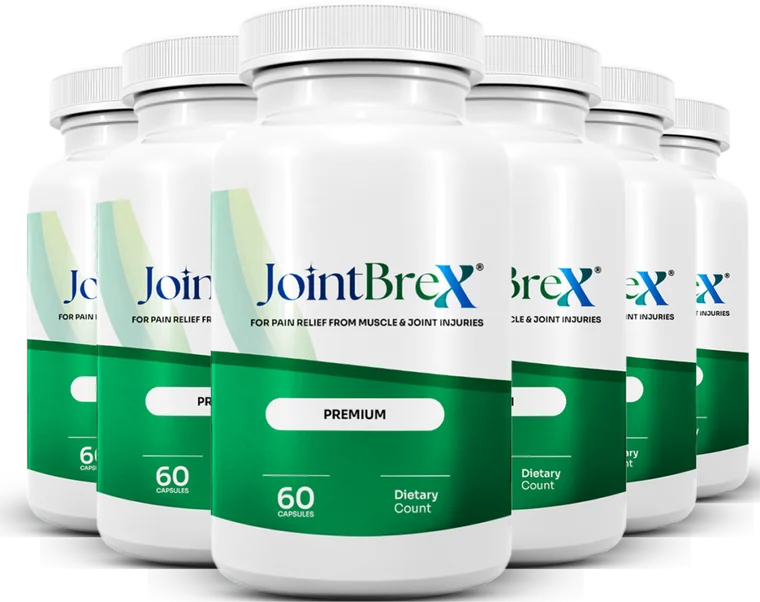
Applying this to JointBrex
Formulas like JointBrex are designed to supply nutrients relevant to cartilage nourishment and inflammatory balance, genuinely useful additions layered on top of the habits above, not a shortcut around them. If body weight, movement or sleep are the actual bottleneck, no supplement, this one included, will fully offset that on its own.